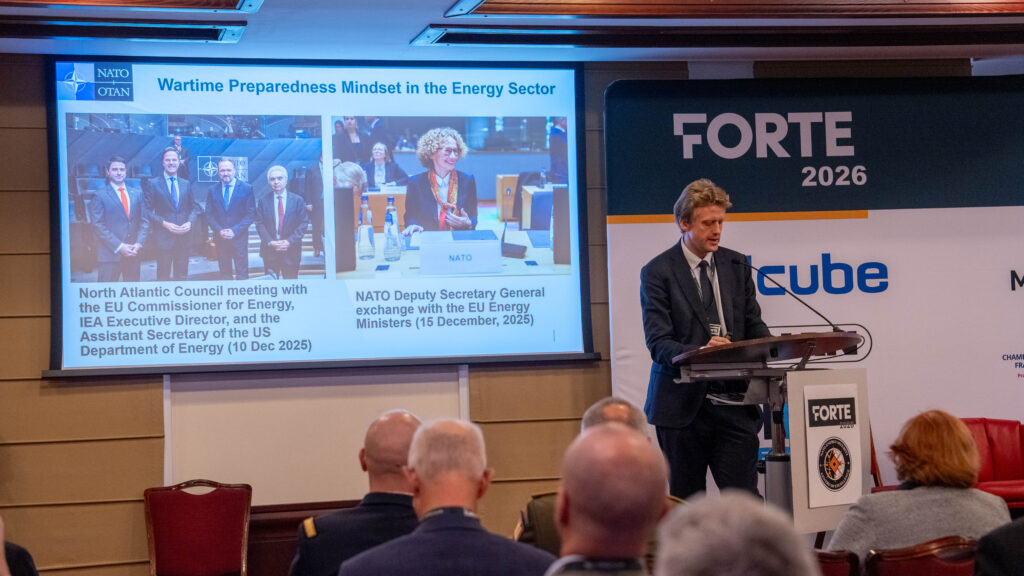
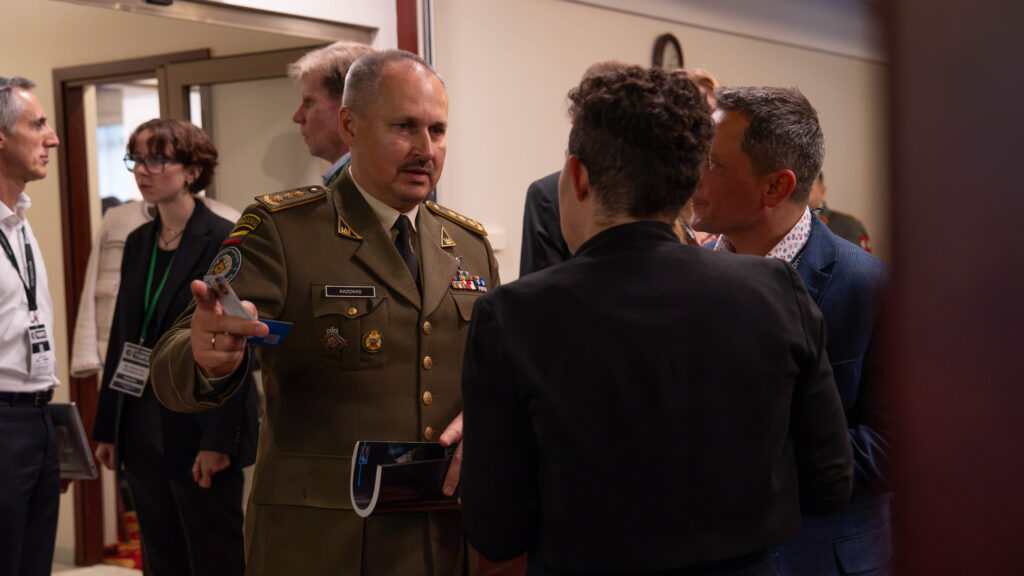
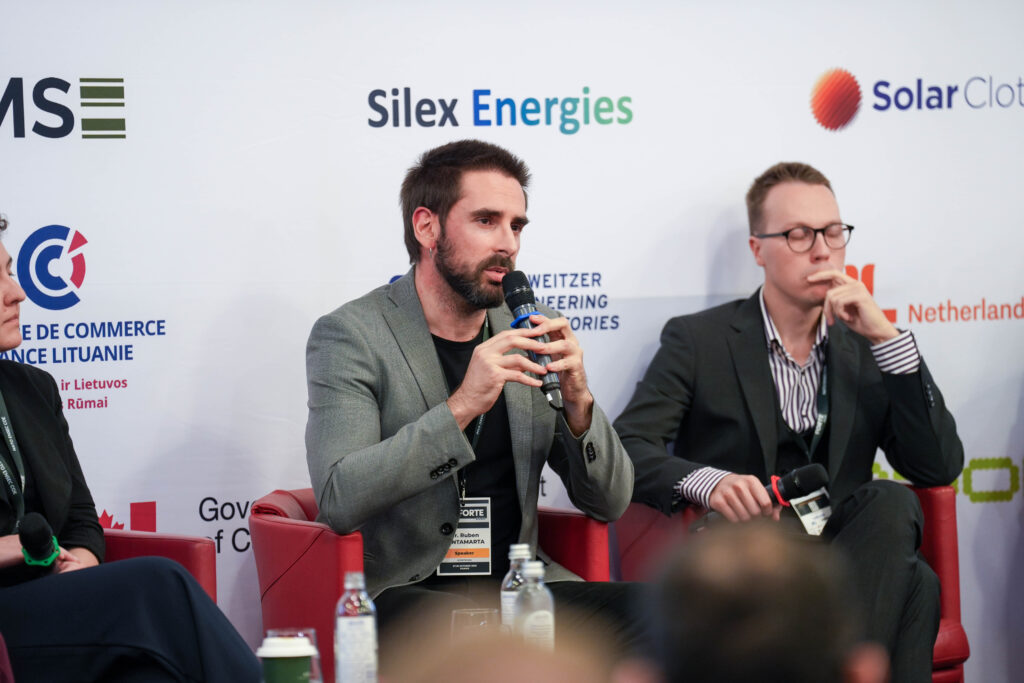
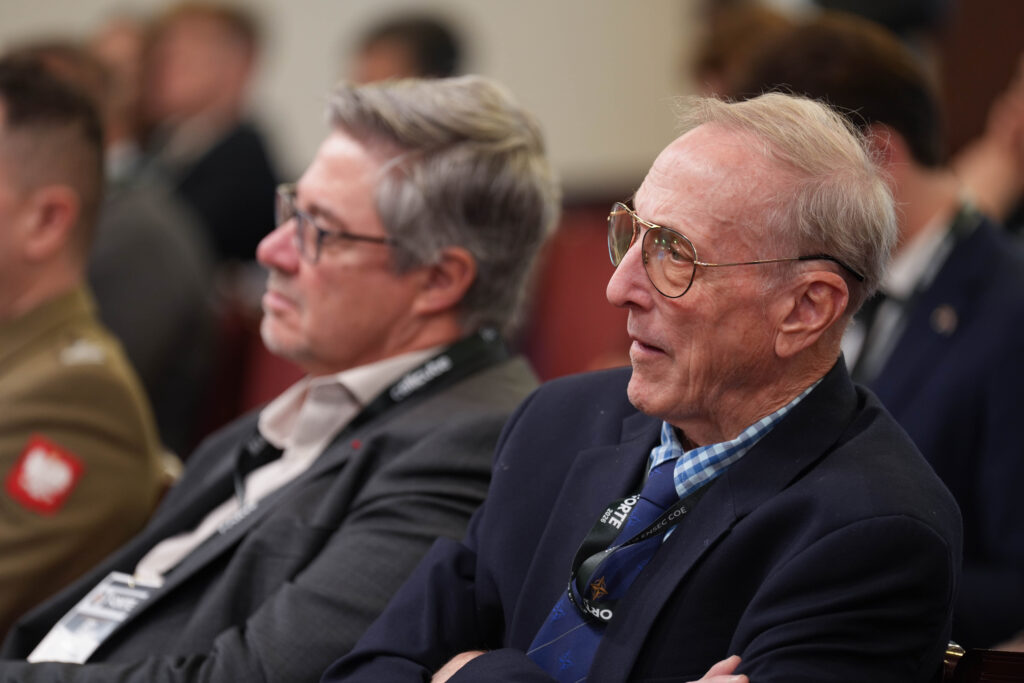
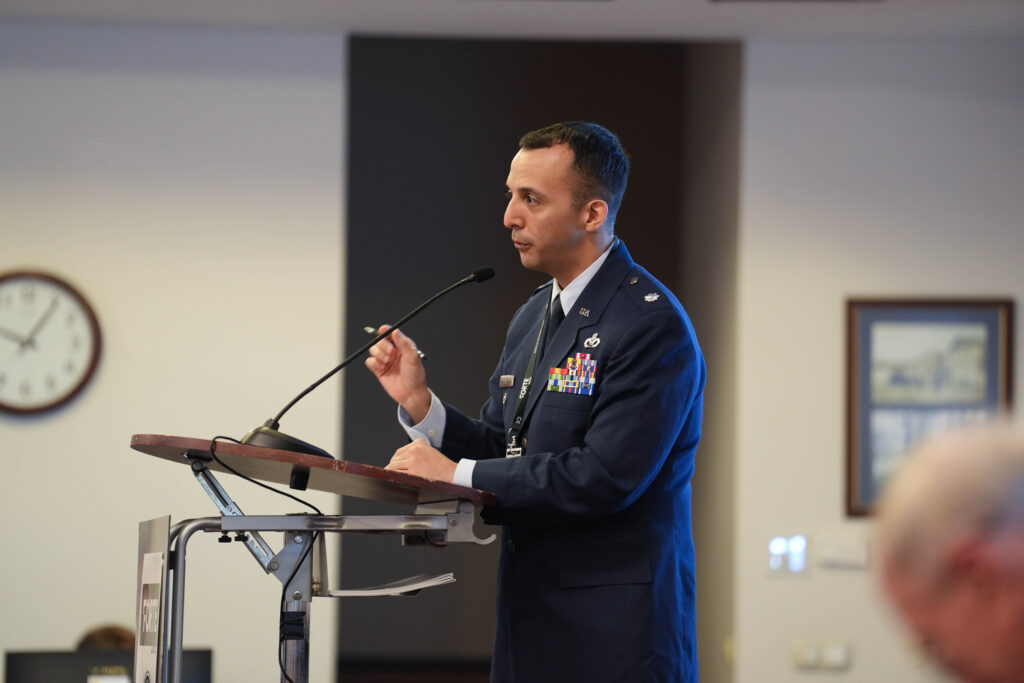
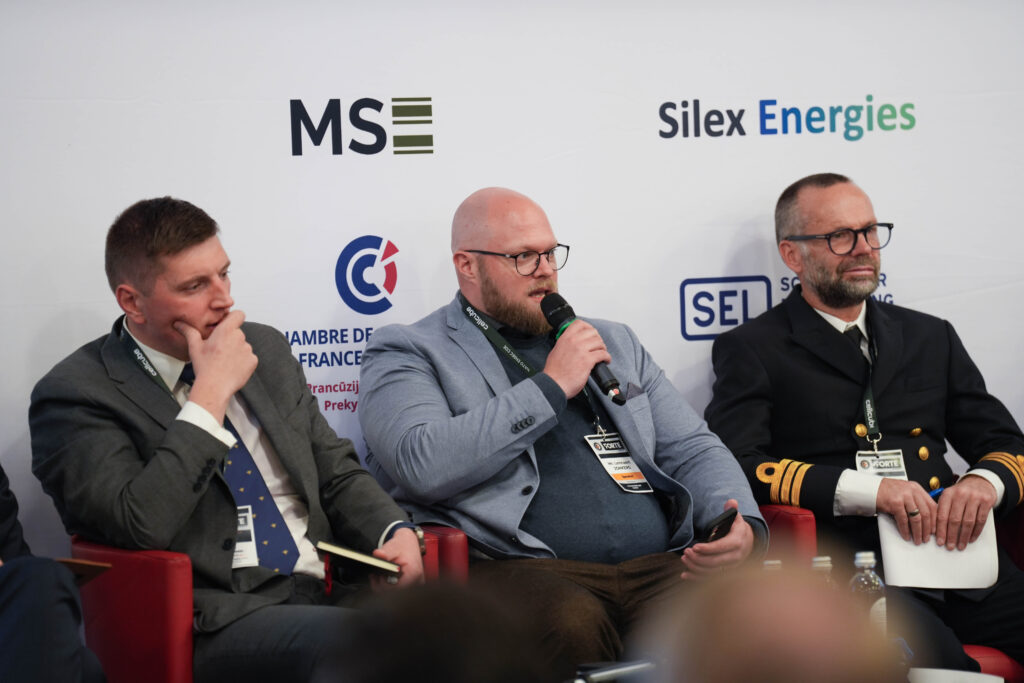
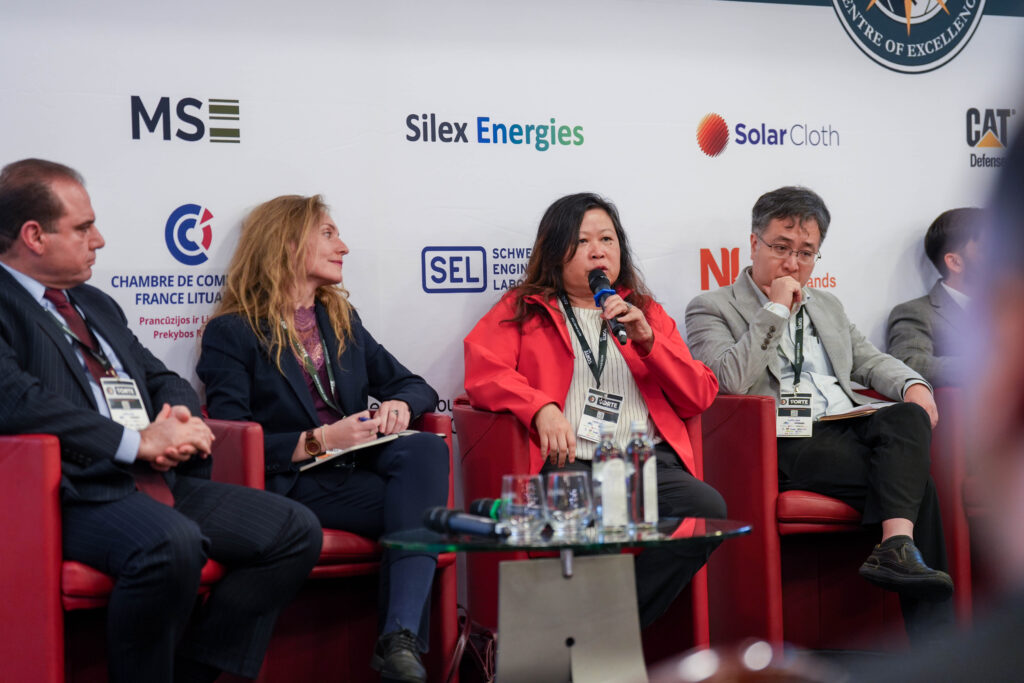
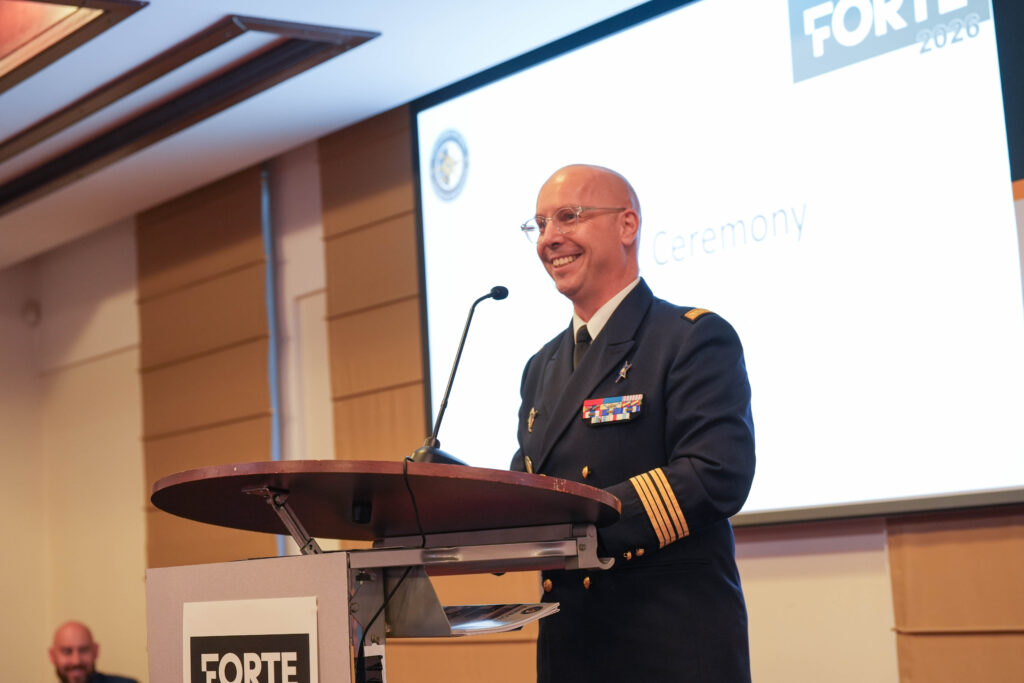
FORTE 2026, held on 27-29 October, brought together experts and participants from the military, government, industry and academia to address the challenges shaping the future of energy security and operational capabilities.
Over three days of keynote presentations, panel discussions and professional exchanges, the conference explored how cooperation, technological innovation and strategic energy diversification can strengthen resilience and support military readiness.
From maritime security and cyber threats to critical infrastructure protection, alternative fuels and lessons learned from Ukraine, discussions reinforced one central message: energy security is fundamental to operational readiness and collective resilience. Addressing emerging challenges requires an integrated approach, strong partnerships and the ability to translate innovation into practical capabilities.
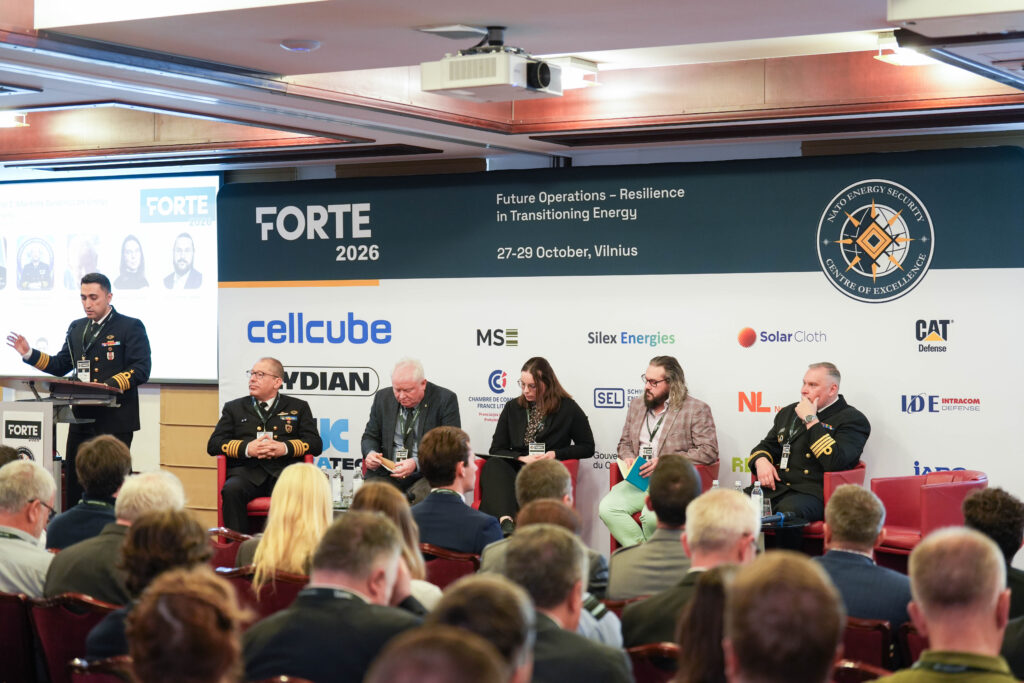
Maritime Dynamics on Energy Security: An Indispensable Duo
Discussions highlighted the close interdependence between maritime and energy security. Disruptions to strategic maritime routes can threaten energy supplies and destabilise markets, while changing energy dependencies create new security challenges.
Participants emphasised the importance of maritime domain awareness, information-sharing and cooperation among NATO Allies and Partners to detect suspicious activities, protect critical energy infrastructure and safeguard resilient maritime energy supply routes.
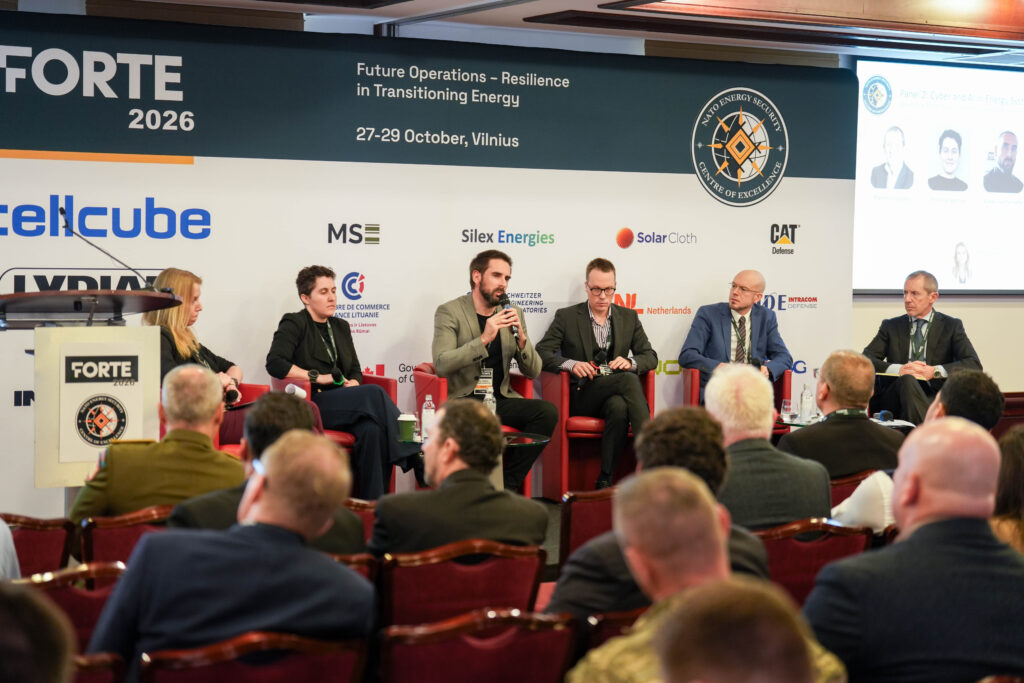
Cyber & AI in Energy Systems: Building Resilience by Design
The sessions highlighted the growing interdependence of energy security and cybersecurity. Protecting modern energy systems requires an integrated approach to physical, digital and systemic risks, with cybersecurity incorporated into infrastructure from the outset.
Discussions also explored the growing role of artificial intelligence in both emerging threats and defensive capabilities. Participants stressed that resilience is not only about preventing attacks, but also about maintaining essential services during disruptions and recovering quickly afterwards.
Effective cooperation among governments, civilian energy operators, cybersecurity authorities and the military remain essential to strengthening preparedness and protecting critical infrastructure.
Critical Infrastructure Protection: Clarifying Responsibilities and Strengthening Coordination
Protecting electricity grids, pipelines and other critical energy infrastructure requires clear responsibilities and effective coordination between infrastructure providers, government agencies and military structures.
Discussions focused on strengthening operational energy resilience, addressing vulnerabilities and improving cooperation among NATO Allies. Clear roles, coordinated action and preparedness are essential to ensuring the continuity of critical energy services.
Industry and Innovation: Translating Emerging Technologies into Operational Capabilities
Experts from defence, industry and research explored emerging technologies, including hybrid military vehicles, hydrogen solutions and advanced energy storage systems.
A key takeaway was that innovation must respond to clearly defined military requirements and deliver reliable capabilities under real operational conditions. Successful adoption also requires a system-of-systems approach, effective integration into existing structures and early cooperation with research institutions.
The discussions reinforced the importance of bridging the gap between research and implementation, ensuring that technological developments translate into practical advantages for military operations and future energy resilience.
Military Energy Transition & Operational Autonomy: Energy as a Capability
The final day explored how resilient energy technologies can reduce vulnerabilities and strengthen military operational autonomy.
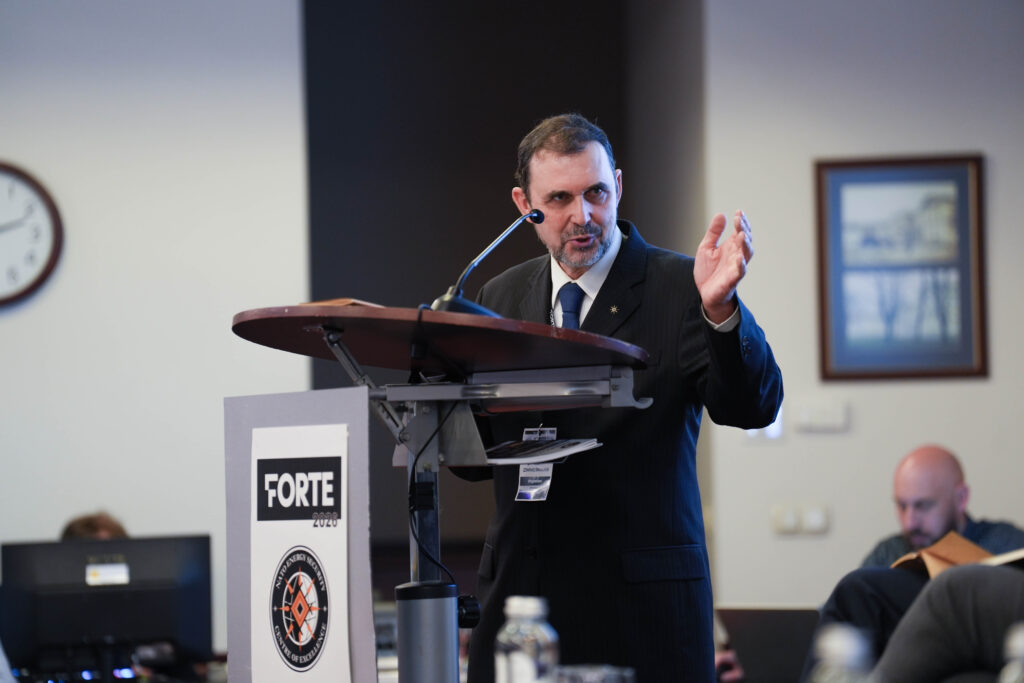
Keynote speaker Alan Howard encouraged participants to rethink the role of energy in military operations: Dream big to reimagine energy, not as a constraint, but as a capability.”
The message underlined the importance of viewing energy not merely as a logistical requirement, but as a strategic enabler of operational effectiveness and resilience.
Alternative Fuels & Strategic Energy Diversification
This session examined the opportunities and challenges of adopting alternative fuels across operational domains, drawing on real-world case studies. Three priorities emerged from the discussion:
- Building European fuel production: Defence can help stimulate investment in home-grown fuel production, while ensuring the availability of military-grade drop-in fuels where and when they are needed.
- Maintaining interoperability: As NATO Allies adopt alternative fuels at different speeds, compatibility and integration must remain central to the energy transition.
- Strengthening resilience through diversification: Alternative fuels can reduce Europe’s reliance on imported energy, provided sufficient feedstocks and energy are available for their production.
The discussion highlighted the need to align fuel diversification with operational requirements, resilient supply chains and the practical realities of military use.
Energy System Resilience in the High North
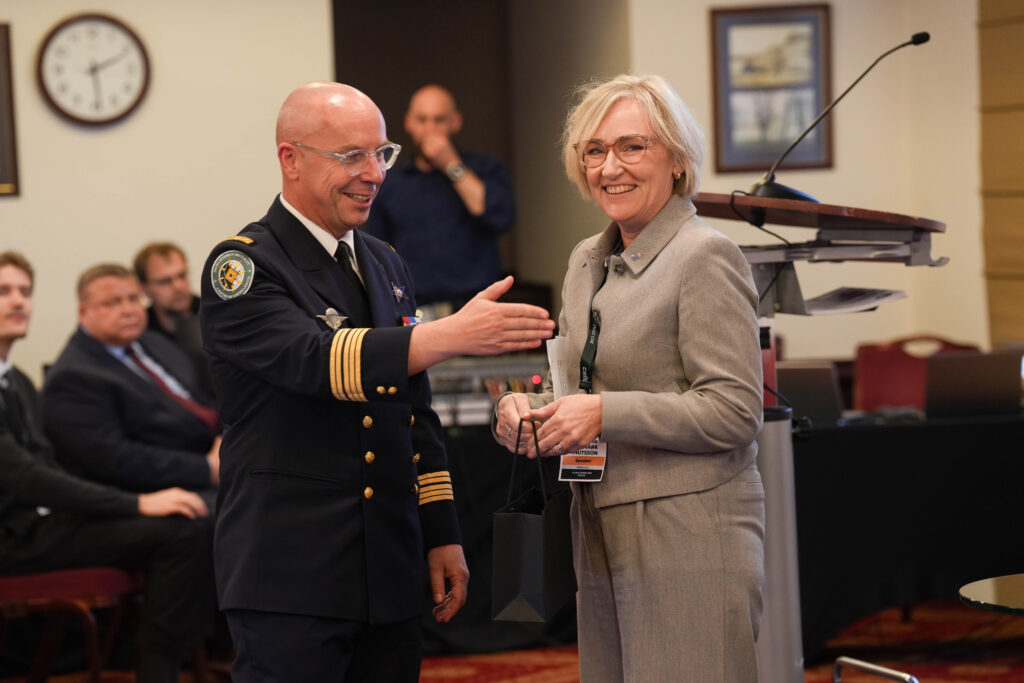
Energy security in the High North was another important focus of the final day. Hellmark Knutsson, Governor and Head of the County Administrative Board of Västerbotten, Sweden, addressed the resilience of energy systems in the region.
Ukraine’s Energy Security: Lessons Learned and Future Directions
The conference’s final session focused on Ukraine’s experience in protecting energy infrastructure, defending the electricity grid and strengthening resilience in the face of ongoing threats. The discussion highlighted two key lessons for strengthening energy security across the Alliance.
- Human capital is essential to energy resilience. Energy resilience can be understood as a combination of physical assets and the people capable of operating them. While equipment and infrastructure can be delivered, expertise and technical competence must be developed over time. With more than six months needed to fill a technical specialist vacancy in the energy sector, investing in skilled personnel and developing the workforce are critical to maintaining energy system resilience.
- Resilience requires preparedness for coordinated cyber and kinetic attacks. Ukraine’s experience highlighted the importance of understanding and continuously assessing the entire critical infrastructure ecosystem. This includes identifying critical assets through dedicated infrastructure registries, maintaining threat databases and dynamic threat assessments, clarifying the roles and responsibilities of relevant stakeholders, and assessing how critical assets are protected through asset-level documentation, stress testing and incident modelling. Equally important is understanding vulnerabilities, dependencies and interdependencies – and knowing them better than the potential adversary.
These lessons provide important insights for NATO Allies and Partners on protecting critical infrastructure under threat, maintaining essential services during disruptions and strengthening
Strengthening Cooperation for the Future of Energy Security
Across its three days, FORTE 2026 addressed the many dimensions of energy security — from protecting maritime supply routes and securing digital energy systems to safeguarding critical infrastructure, diversifying fuel supplies and translating innovation into operational capabilities.
The discussions demonstrated that no single organisation or sector can address these challenges alone. Stronger energy security depends on cooperation among NATO Allies and Partners, governments, the military, industry, civilian energy operators and academia.
We extend our sincere thanks to all keynote speakers, panellists, participants and partners for their expertise, valuable contributions and active engagement. Their insights and shared experiences helped generate new perspectives, strengthen professional connections and advance cooperation across the energy security community.
FORTE 2026 once again provided a valuable platform for dialogue, knowledge-sharing and collaboration to help shape the future of energy security and operational resilience.
The conference has come to a close, but the conversations and partnerships continue.
Thank you for being part of FORTE 2026. We look forward to welcoming you to FORTE 2027!
Photo credit: I. Grincevičienė, A. Gorbač / Leo Projects